An epic 3-day immersive puzzle experience in Cincinnati, Ohio consisting of a fictional historical adventure and brain-bending clues leading to the discovery of a real hidden treasure and cash prize of $25,000
The event was attended by over 1,300 participants and ranked 5/5 stars on a post event survey by 94% of respondents. In addition to co-founding the one-time experience, I was the sole creative director of the project. I masterminded the story, gameplay, and design of all elements including a packet of 8 original printed documents mailed to every participant, 6 diary entries to guide the narrative and give hints, and a timed rollout of 10 e-mails and web elements to deliver additional information and clues sequentially.Concept
In the midst of summer 2020, my brother and I began to brainstorm a community-centered event that would break the monotony of the COVID-19 lockdown. Inspired by our love for National Treasure and my interest in puzzles and escape rooms, we came up with Mission: Treasure - a joint venture with him as the business brains and me as the creative director.
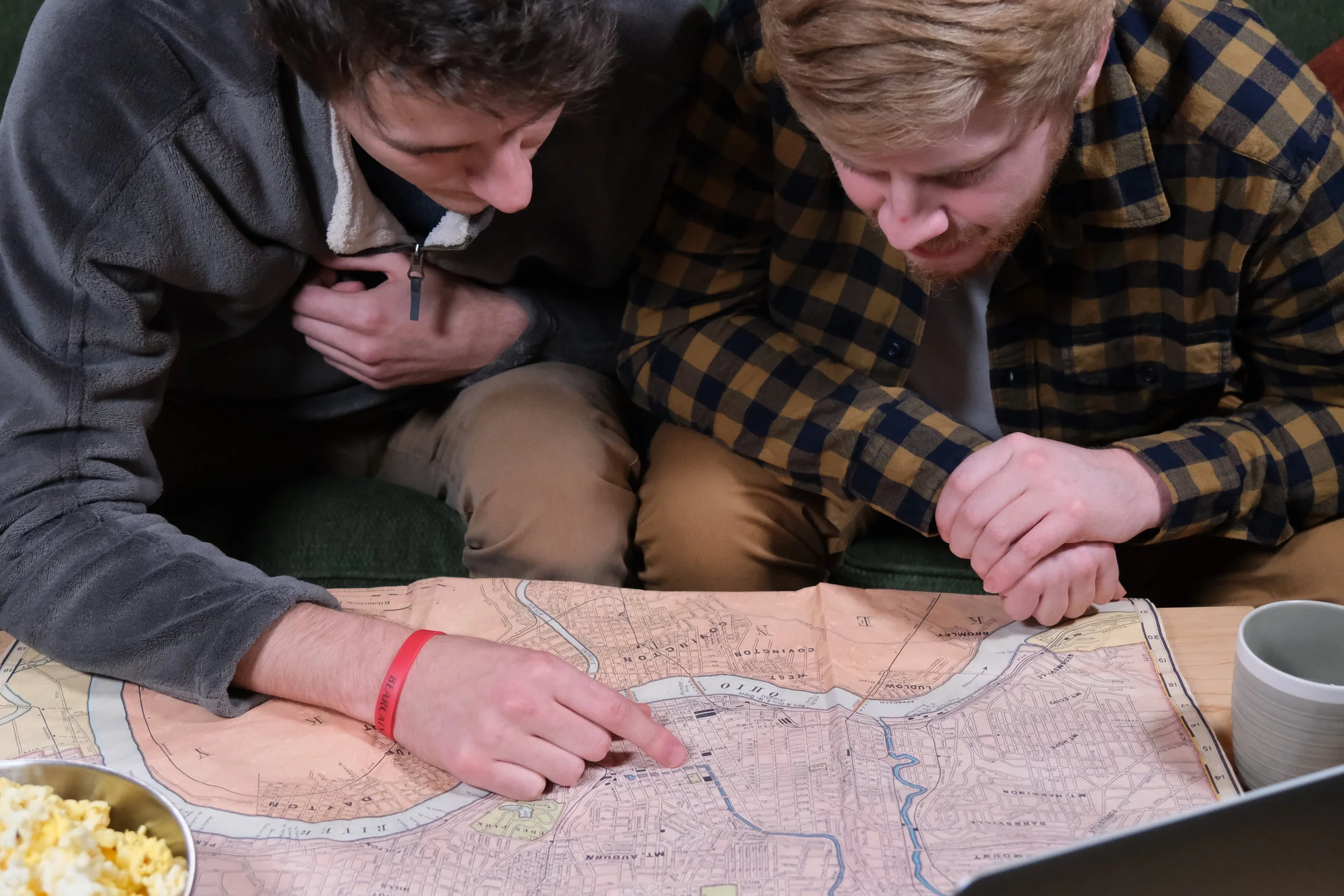
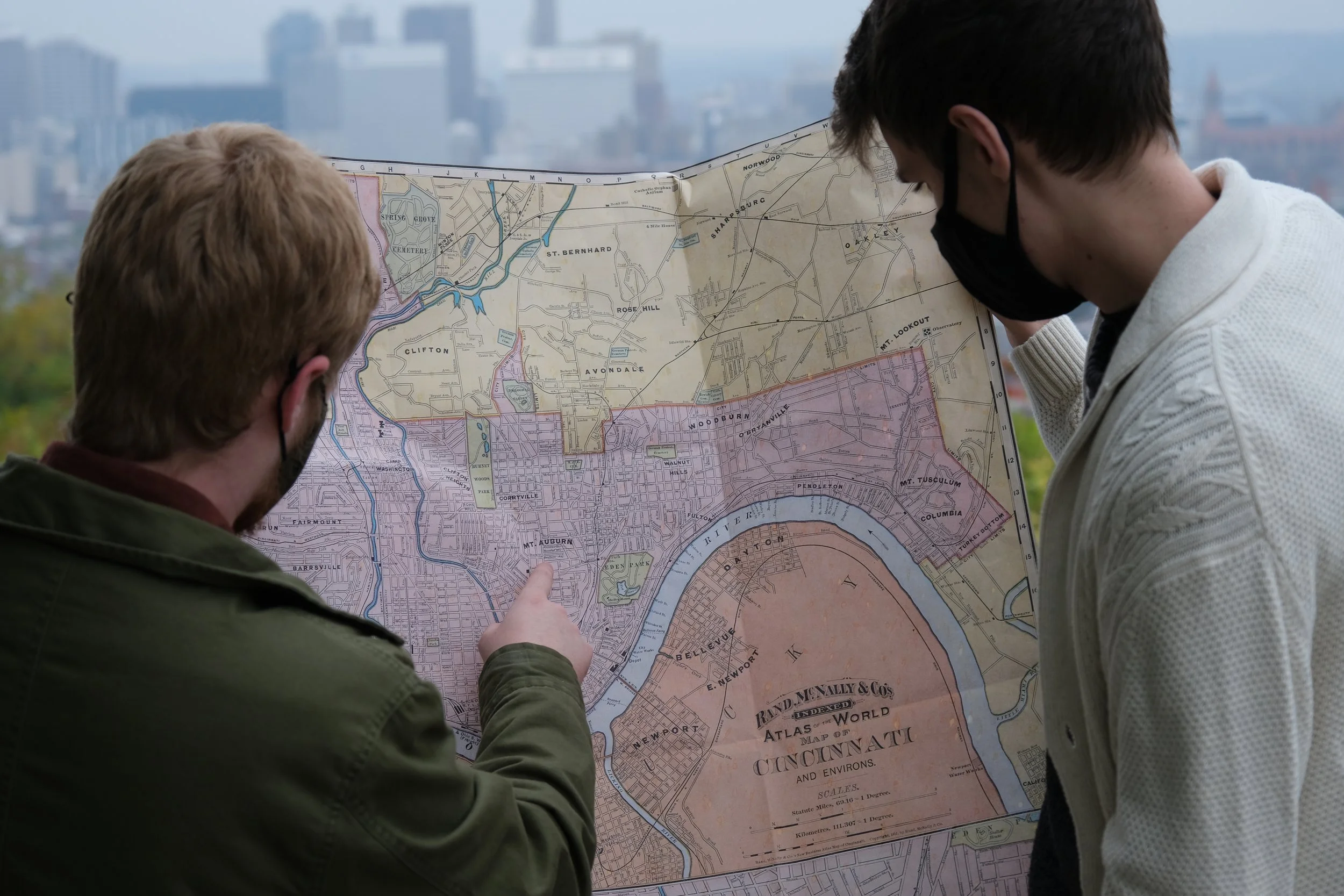
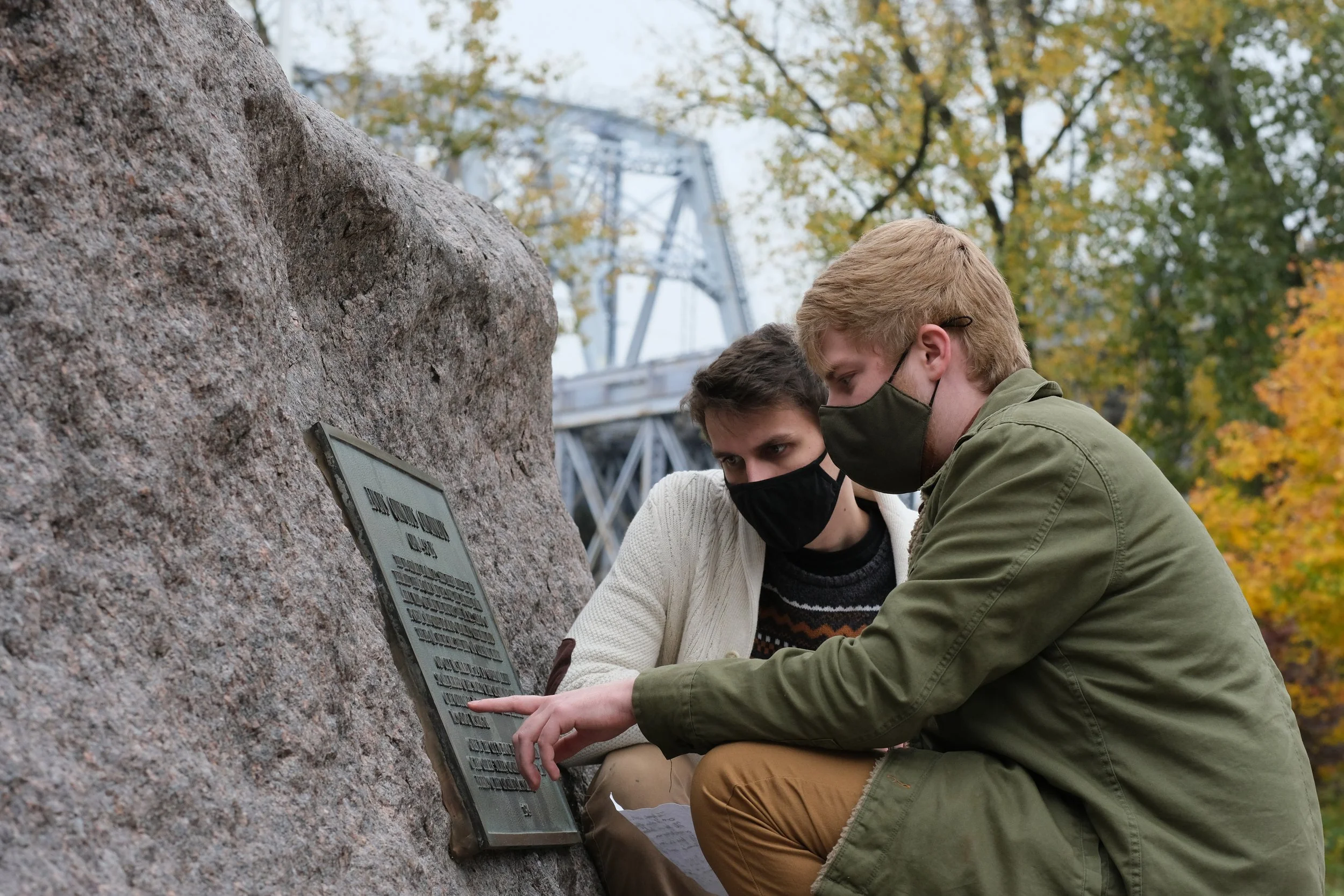
The idea was to create an immersive experience for individuals and families to enjoy while remaining socially distanced. In order to achieve this, I came up with a hybrid model of virtual puzzles to be solved and completed at home with clues from historic landmarks in the Cincinnati area that could be publicly accessed outdoors.
Story
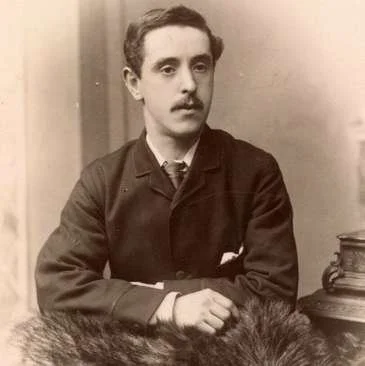
From the beginning, I knew that the puzzle needed to be paired with a narrative arc to heighten the stakes and engage the audience. Thus, the late 19th-century furniture maker Jeremy Longford was born. Aside from the secret wealth he hid before mysteriously disappearing, I kept his backstory semi-autobiographical, branding him as a kind of early public transit and civil engineering nerd.
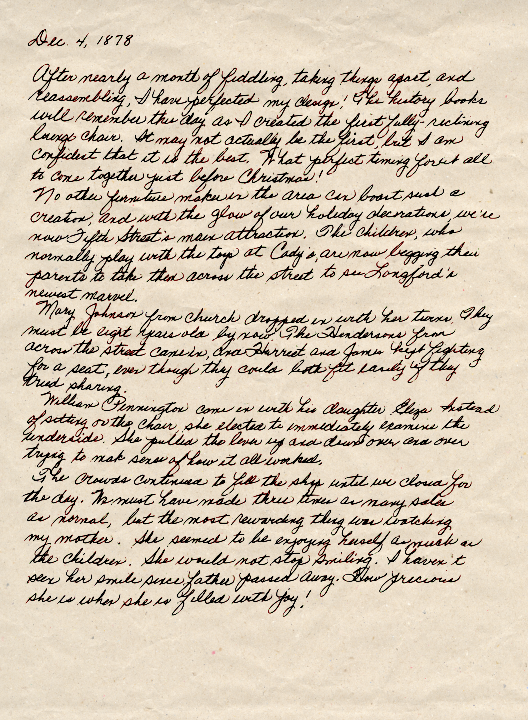
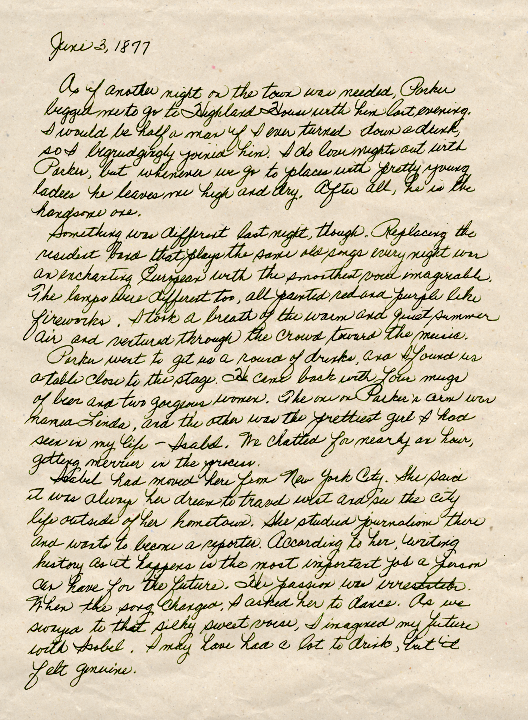

To tie the story into modern day, I created Mia Carpenter, a researcher from the fictional Ohio River University. This also allowed progressive clue rollouts via email without breaking the immersion of the storyline.
Puzzle
With a convincing backstory in place for the audience to invest in, it was time for my personal favorite step of the project: building out the puzzle. I drew on inspiration from my favorite escape rooms, brain teasers, and word puzzles.
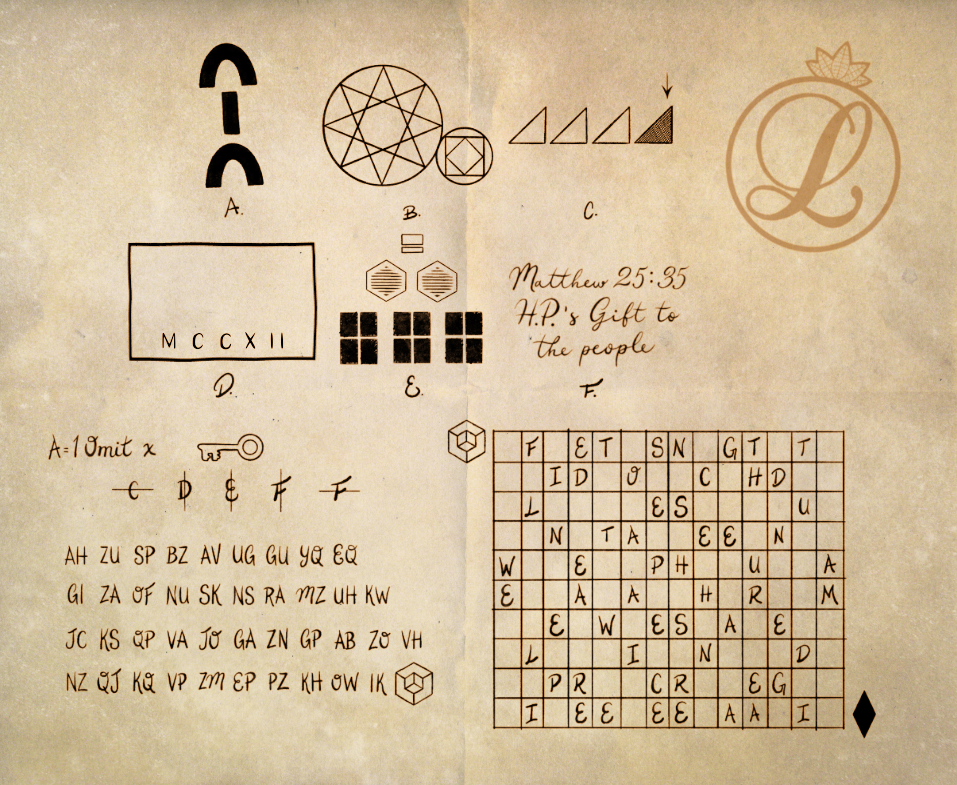
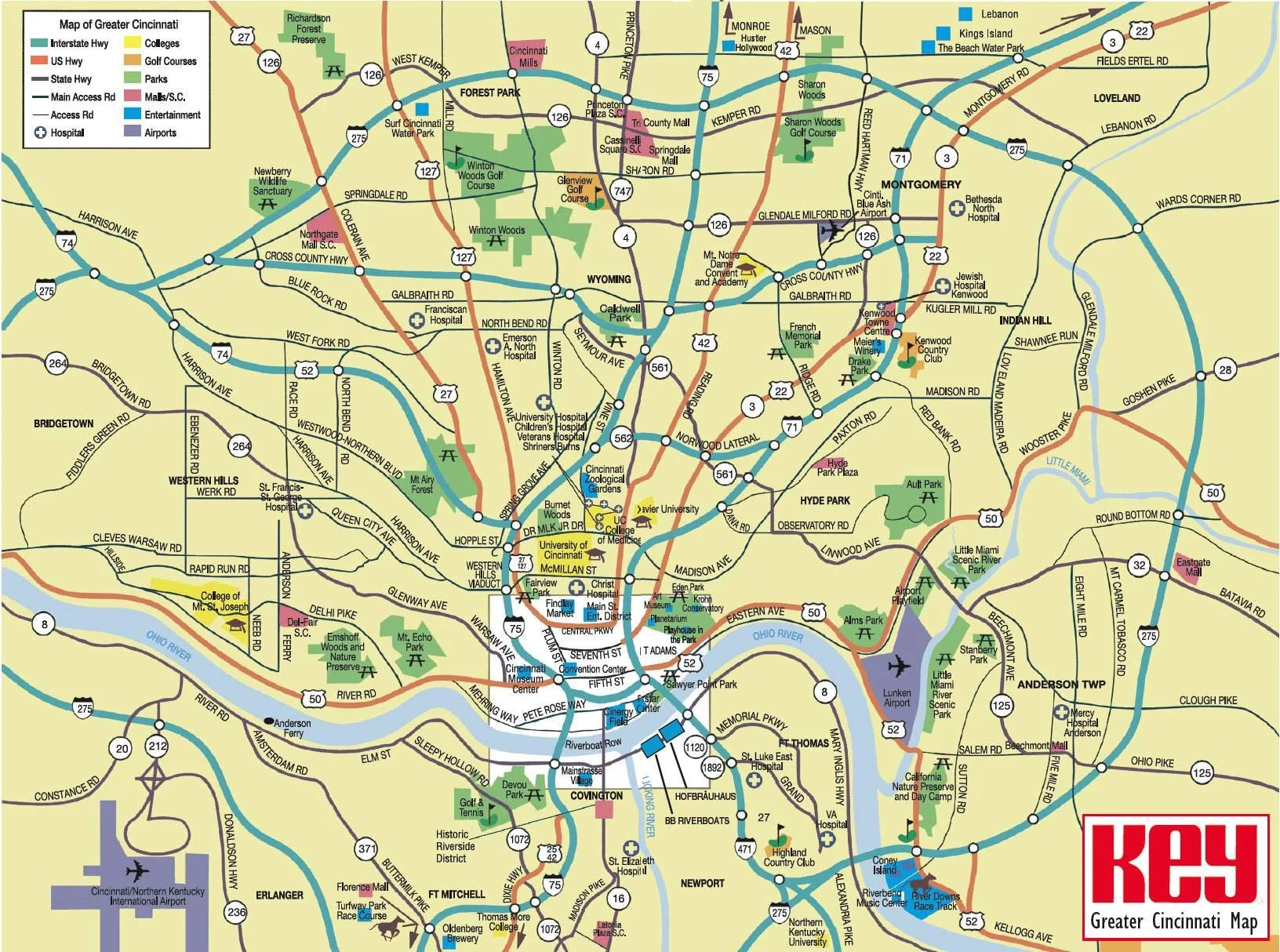
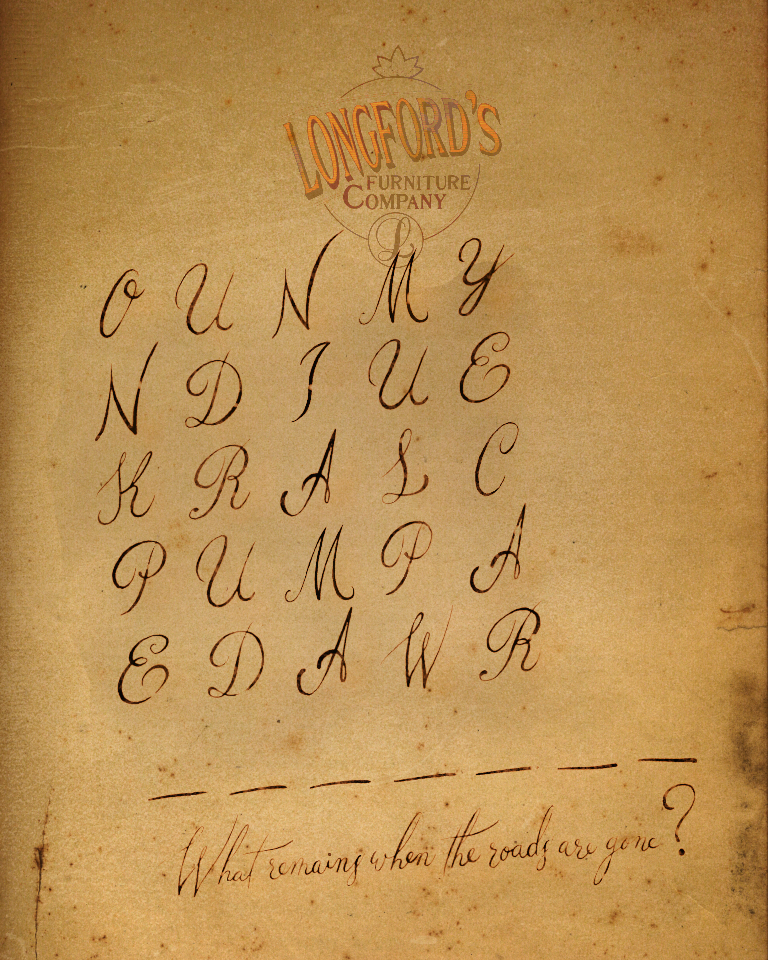
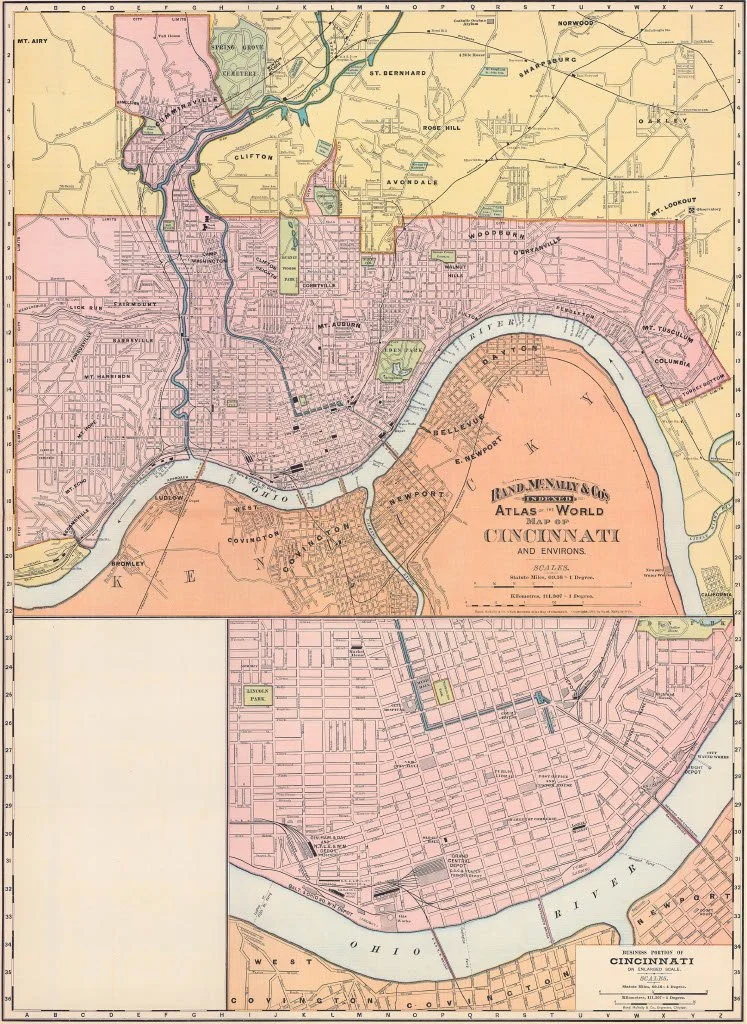
I created a matrix of clues to correspond with real landmarks throughout Cincinnati, with the time period of the story helping to narrow down possible locations. A print of an actual map from 1890’s was provided to participants to aid in their navigation.
Mini Hunts
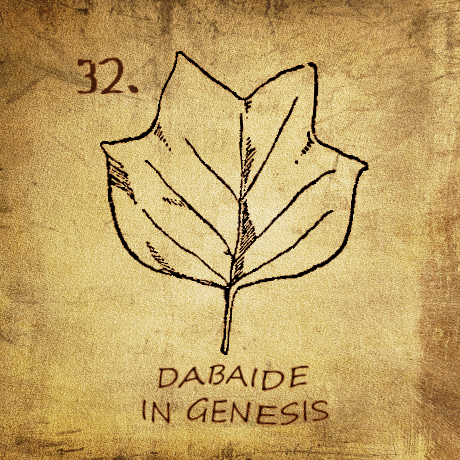
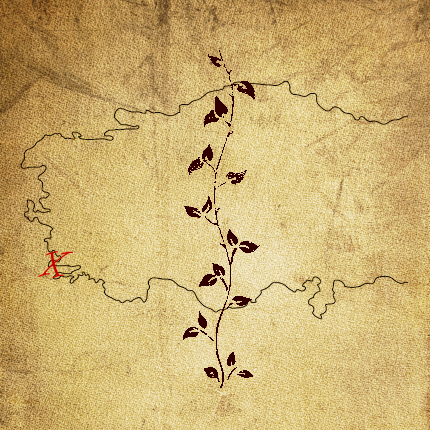
I quickly realized that a method was needed to gauge the difficulty of puzzles. We wanted to avoid beta-testing the actual clues to avoid information leaks. Realizing I could kill 2 birds with 1 stone in promotion and testing, 3 mini-hunts were created with puzzle types analogous to the final ones.
Solution
The difficulty of the final hunt was progressive, with many components solvable to a participant as young as 12 or 13 years old, but the complete solution requiring correctly advancing through multiple steps. This was decided in order to make the experience enjoyable to all participants while ideally preventing multiple people from finding the actual hidden treasure at the same time. When advanced techniques like cryptography and orienteering were required, references to these were hidden in the narrative text to keep an even playing field between novice and experienced puzzle hunters.
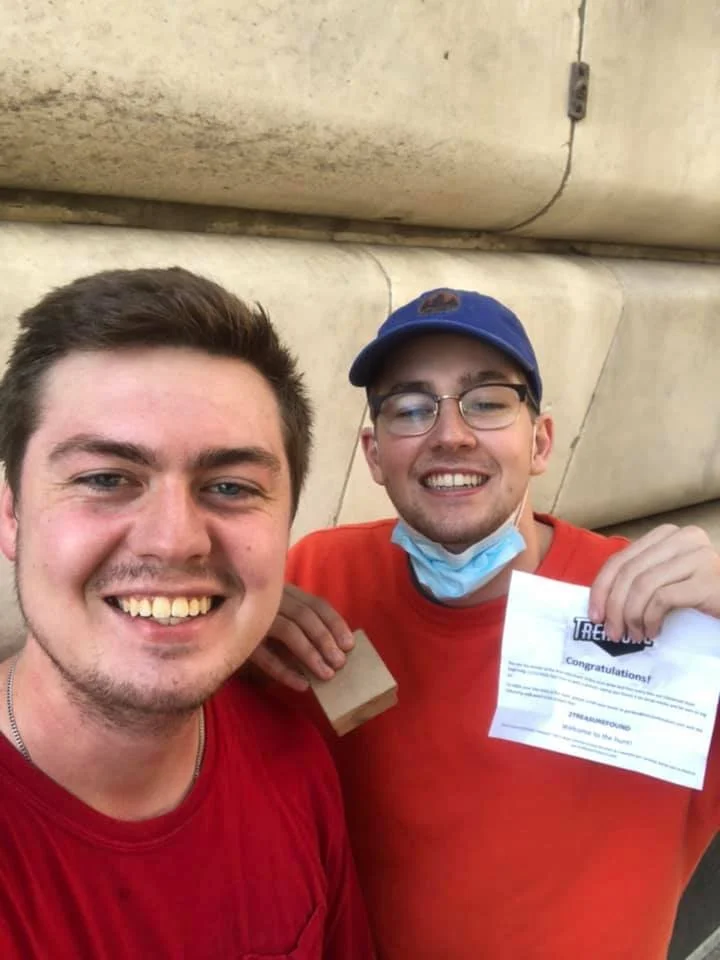
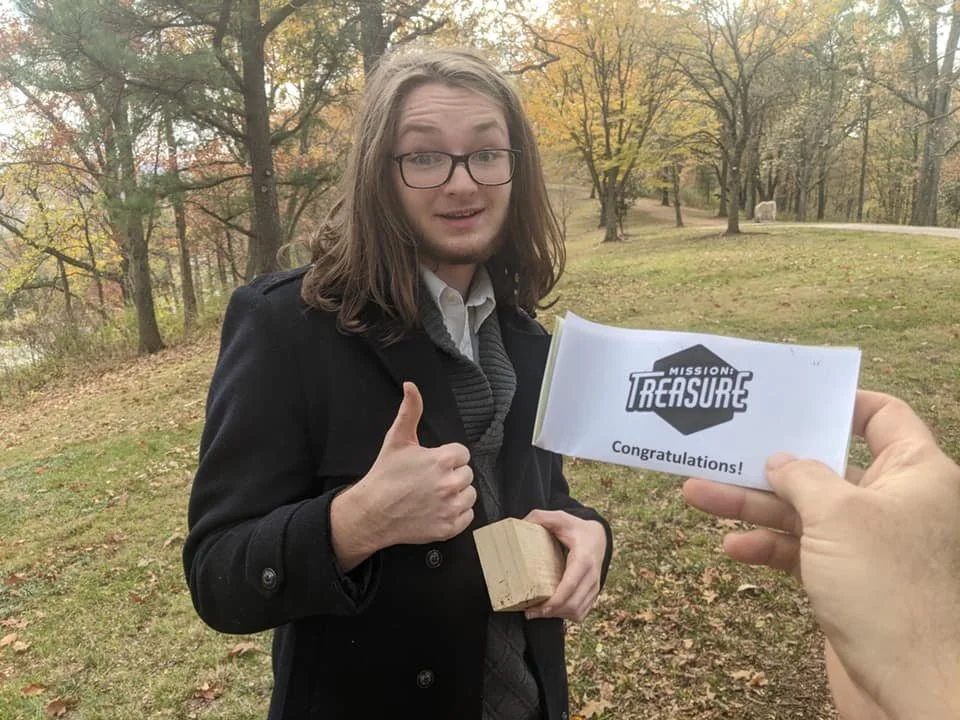
Ultimately, the prize was found early in the morning on the final day of the hunt, a faster solve than expected, but absolutely impressive. The winning team were kind enough to meet with us and share their 8-page Google Doc of notes they used to come up with the solution.
Design
-
![]()
Public domain resources and original artwork were combined to create a period-appropriate visual style. This map was sourced from the digital archives of Cincinnati Public Library.
-
![]()
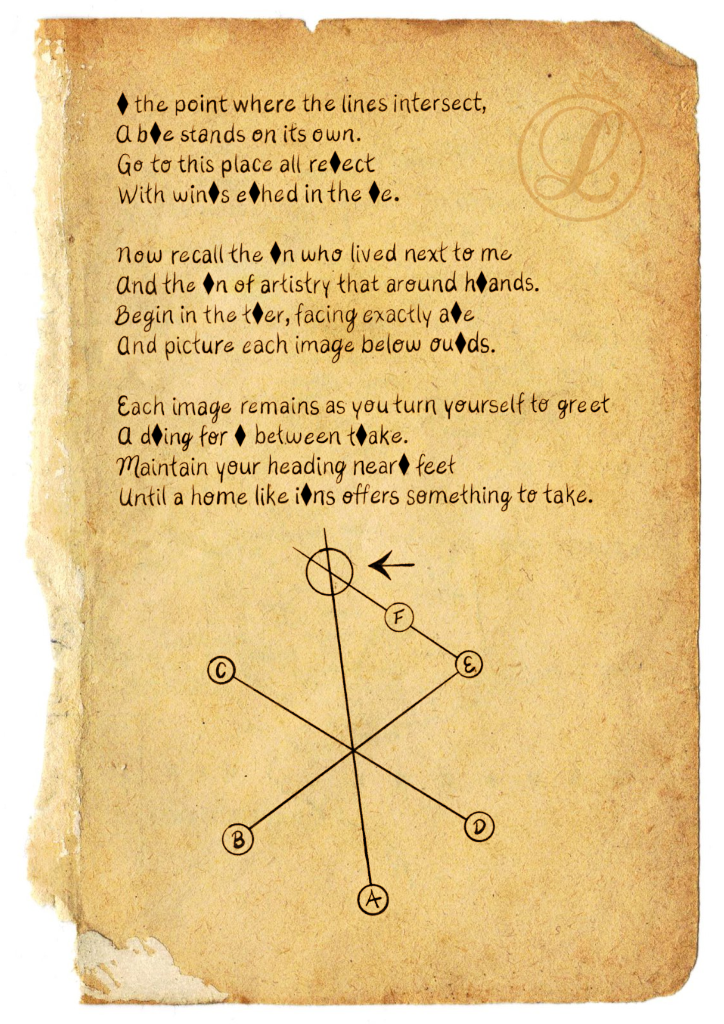
Given the complexity of the clues, I aimed for a visual style that sacrificed a degree of realism to ensure legibility.
-
![]()
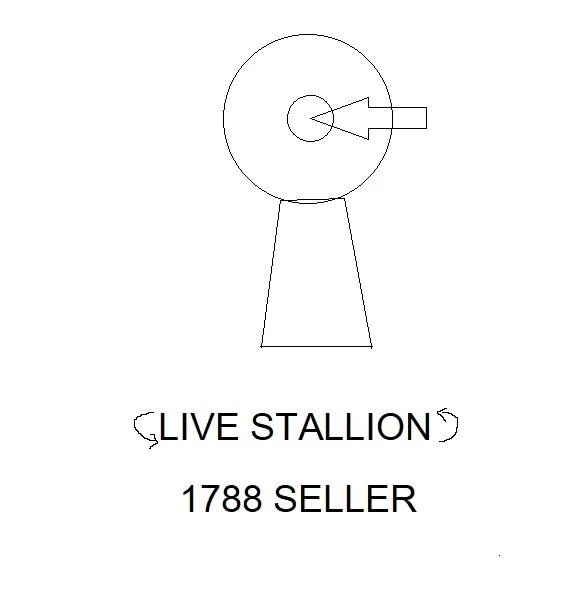
Nearly every element began as a paper sketch that I made into a digital mock-up.
-
![]()
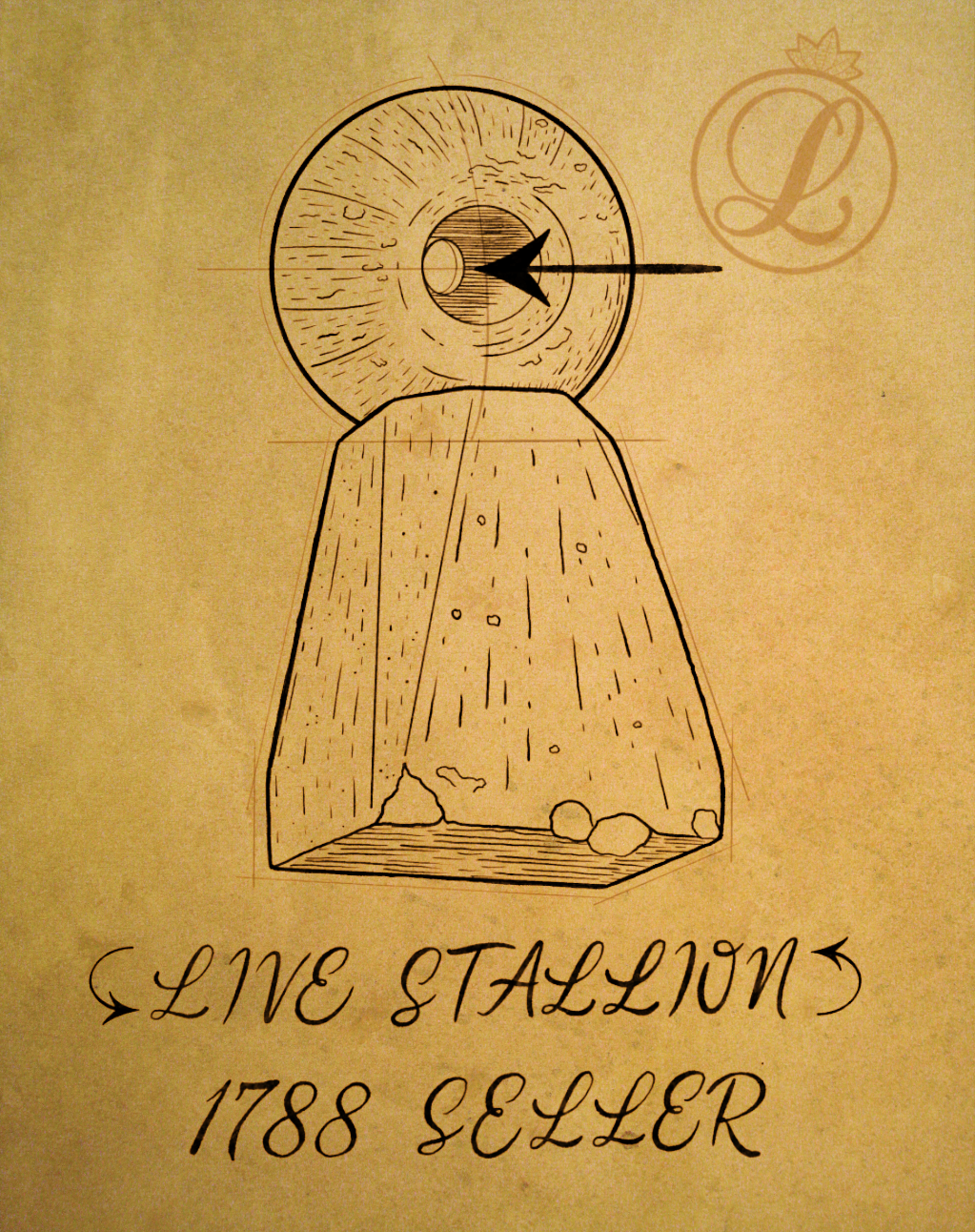
A digital artist specializing in a hand-drawn style converted many of the elements into a final form.
-
![]()
I superimposed the artist’s rendering onto a textured background to appear like a drawing on paper.